Poppy Flowers
A Seasonal Embroidery Design for Holiday and Everyday Use
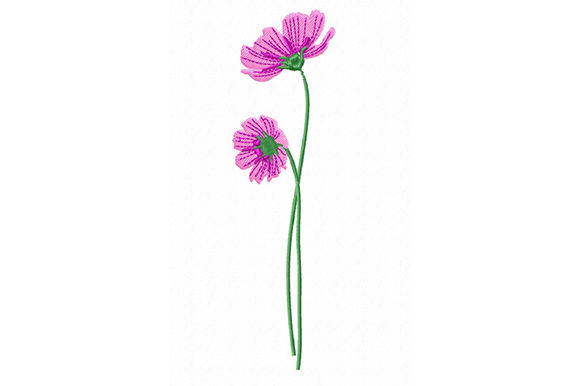
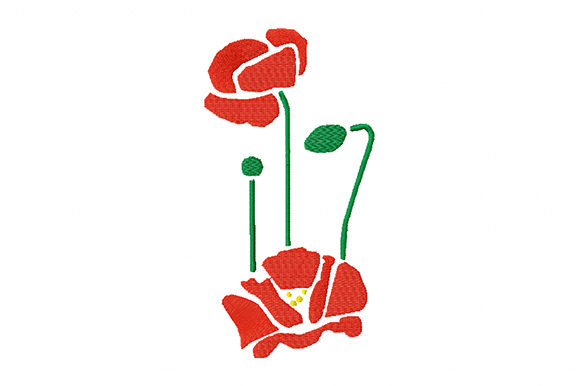
As an experienced embroidery designer, I recently reviewed the Poppy Flowers design with a focus on its potential for seasonal and holiday product use. The design immediately caught my eye with its vibrant red petals and delicate yet detailed structure. It carries a strong emotional tone—nostalgic, romantic, and slightly spiritual—making it a perfect fit for both holiday gifts and everyday home decor.
The First Impression: A Festive and Cozy Mood
The Poppy Flowers design evokes a sense of warmth and celebration. Its bright red color and soft, flowing lines create a visual appeal that feels both elegant and approachable. This makes it ideal for use in seasonal collections like Christmas, Valentine’s Day, or even springtime celebrations. The design has a subtle rustic charm that aligns well with handmade gift markets and Etsy shops looking to offer unique, handcrafted items.
Seasonal Appeal and Product Versatility
The versatility of Poppy Flowers is one of its strongest features. It works beautifully on a wide range of products, from sweatshirt embroidery and tote bag designs to kitchen towel embroidery and pillow covers. It can also be used on embroidered patches, aprons, and even table linens, making it a valuable addition to any seasonal collection.
For holiday selling, this design is particularly effective in gift bundles. Pairing Poppy Flowers with other festive motifs like snowflakes or stars can create a cohesive and appealing product line. It also lends itself well to personalized gifts, such as custom handmade gifts or personalized gifts for family members or friends.
Practical Considerations for Embroidery Use
While the Poppy Flowers design is visually stunning, there are a few practical considerations to keep in mind when using it for commercial purposes. For example, the intricate details of the flower require careful attention to stitch density and thread colors. It’s essential to test the design on both light and dark fabrics to ensure visibility and quality.
Additionally, the design may not perform well on very small hoop sizes due to its complexity. It’s recommended to use a larger hoop to maintain the integrity of the design. Stabilizer choice is also crucial, especially for stretchy garments like t-shirts or sweatshirts, where proper support will prevent puckering or distortion.
Design Limitations and Careful Application
There are certain applications where Poppy Flowers should be used with caution. For instance, the design might not look as striking on thick towels or dark fabric, where the contrast could be reduced. Similarly, items that require frequent washing, such as aprons or kitchen towels, may need a more durable thread type to maintain the design's vibrancy over time.
Moreover, the layered details of the poppies could be challenging to stitch on curved surfaces like caps or embroidered patches. These limitations highlight the importance of creating realistic printable mockups before finalizing production. This step ensures that the design looks as intended on the actual product.
Seasonal Marketing and Brand Consistency
When incorporating Poppy Flowers into a seasonal collection, brand consistency is key. The design’s romantic and nostalgic qualities make it a great fit for brands that emphasize artisanal craftsmanship and personal storytelling. It can be paired with other floral or nature-inspired motifs to create a cohesive aesthetic that resonates with customers during the holiday season.
From a marketing perspective, Poppy Flowers is highly engaging on social media and in craft fair displays. High-quality digital embroidery files and finished product photos can be used to showcase the design in various contexts, from cozy home decor to festive apparel. This helps build customer trust and increases the likelihood of repeat purchases.
Embroidery Designer Notes for Success
To ensure the best results with Poppy Flowers, consider the following tips:
- Test thread colors on both light and dark fabric to achieve the desired effect.
- Check stitch density to ensure the design remains clear and sharp after stitching.
- Confirm hoop size to accommodate the design’s complexity without distortion.
- Use proper stabilizer for stretchy or delicate fabrics.
- Create realistic mockups to preview how the design will look on the final product.
- Review small details after stitching to catch any issues early.
- Plan matching color palettes to complement the design in your seasonal collection.
- Confirm commercial licensing before selling finished products to avoid legal complications.
By carefully considering these factors, you can maximize the potential of Poppy Flowers as a versatile and emotionally resonant design for your seasonal and holiday offerings.