Orchid
A Delicate Bloom for the Embroidery Studio
As a designer who spends hours evaluating embroidery files for both personal and commercial use, I often find myself drawn to designs that balance beauty with practicality. Orchid is one such design—subtle in its presentation yet rich in detail. It’s not just another floral pattern; it’s a thoughtful composition that invites closer inspection and offers a range of applications for the craft enthusiast or small business owner.
The First Impression: A Study in Elegance
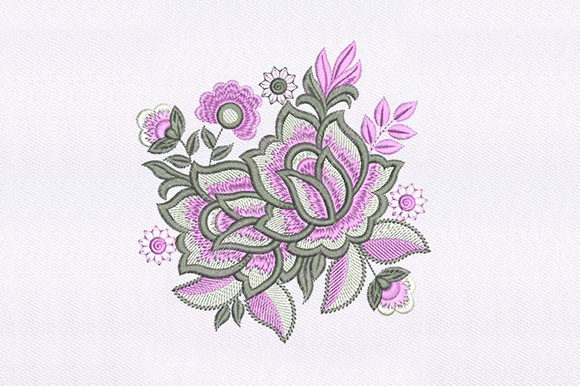
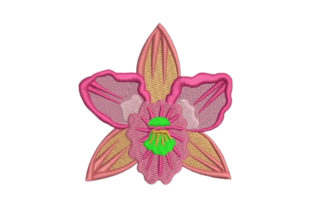
At first glance, Orchid exudes a quiet sophistication. The design features a central bloom surrounded by delicate leaves, all rendered with a level of detail that suggests care and intention. The layout is balanced, with enough negative space to prevent visual clutter. This makes it an excellent choice for projects where the focus should remain on the flower itself rather than overwhelming the fabric.
The shape of the orchid is clean and refined, which means it can be easily adapted to different product types. Whether it’s a custom apparel project or a personalized gift, Orchid has the versatility to fit seamlessly into a variety of contexts.
Real-World Applications: Where Does Orchid Belong?
In my own practice, I’ve used similar designs for sweatshirt embroidery, apron designs, and even holiday gifts. Orchid would work well on items like tote bags, baby clothes, and embroidered patches. Its elegant nature makes it suitable for both commercial embroidery and handmade products.
Consider a custom embroidered tote bag for a boutique or a personalized gift for a client. The orchid’s subtle presence adds a touch of refinement without overpowering the fabric. It’s also a great option for digital embroidery files that are intended for resale or brand assets.
Practical Considerations: When to Use Orchid Carefully
While Orchid is visually appealing, it’s not without its limitations. For instance, the intricate details may require more careful handling when working with small hoop sizes or textured fabrics. The fine lines and delicate shapes could become distorted if the hoop isn’t large enough or if the stabilizer isn’t properly applied.
Additionally, the design includes some tiny lettering and decorative accents, which might be challenging to stitch out clearly on dark fabric or stretchy materials. These elements are best tested on scrap fabric before committing to a finished product.
When considering commercial embroidery, it’s important to check the stitch density and ensure that the design is compatible with your machine. While the description mentions that it “will stitch out beautifully,” there’s no mention of exact file formats or compatibility, so always verify these details before purchasing.
Design Impact: Visual Appeal and Product Value
Orchid contributes significantly to the visual appeal of any project. Its soft curves and gentle color palette make it adaptable to a wide range of thread colors and fabric textures. This flexibility allows designers to match the design to their brand identity or the customer’s preferences.
From a brand consistency standpoint, Orchid can help establish a cohesive look across multiple products. Whether it’s a craft business selling Embroidery Files or an Etsy seller offering handmade products, this design can serve as a versatile asset in your collection.
However, the visual appeal must be balanced with stitch clarity. In some cases, especially when working with layered garments or curved surfaces, the design may require additional planning to ensure that the final result is both beautiful and functional.
Design Notes for the Practical Designer
Before using Orchid in a real project, I recommend a few key steps:
- Test on scrap fabric to see how the design performs on your specific machine and fabric type.
- Check thread color contrast to ensure the design stands out against the background.
- Review stitch density to avoid overly dense or sparse stitching.
- Confirm hoop size to prevent distortion or poor stitching quality.
- Inspect small details such as tiny lettering and decorative accents for clarity.
- Test in black and white mockups to assess how the design will appear in different lighting conditions.
- Use proper stabilizer to support the fabric and ensure smooth stitching.
- Check whether the design works for both personal and commercial projects to maintain brand integrity.
- Confirm licensing before selling finished items or digital products.
Final Thoughts: Orchid as a Design Asset
Orchid is a design that speaks to both the eye and the hand. It’s a great addition to any embroidery project, whether you’re creating a personalized gift, a custom apparel piece, or a commercial embroidery product. With the right preparation and attention to detail, it can elevate your handmade offerings and create a lasting impression on your customers.
Ultimately, Orchid is more than just a design—it’s a statement of style and craftsmanship. As a professional designer, I trust it in my studio and believe it has the potential to do the same for others who choose to use it wisely.